Providing a dog with a balanced daily routine involves more than meeting basic physical needs. Dogs also benefit from companionship, appropriate exercise, mental stimulation, and regular interaction. For owners who spend much of the day working or managing other responsibilities, professional dog day care can offer valuable support.
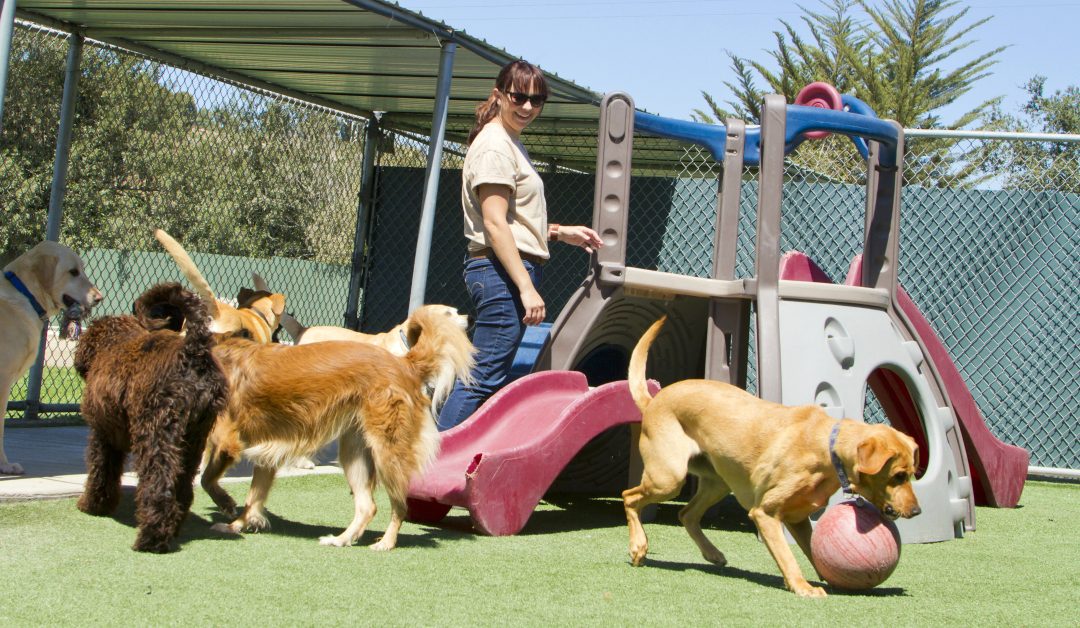
Dog day care facilities provide supervised daytime environments where pets can participate in suitable activities and receive attention from trained staff. The services available differ between providers, so understanding what to expect can help owners select an appropriate arrangement. check website
What Professional Dog Day Care Includes
Dog day care is a service that provides temporary daytime supervision and care. Depending on the facility, a typical visit may include supervised play, scheduled rest, walks, enrichment activities, feeding when required, and interaction with staff.
Some providers organize dogs into groups based on size, age, temperament, or play style. Others offer individual care for pets that are more comfortable without group interaction.
Owners should ask for a detailed explanation of the daily schedule. This makes it easier to determine whether the activities and supervision match their dog’s needs.
Creating a Structured Daily Routine
A predictable routine can help dogs understand what to expect throughout the day. Regular periods for activity, feeding, and rest provide structure in an environment outside the home.
Professional facilities often use daily schedules to organize care. For example, dogs may have an introductory period, supervised activity, quiet time, and additional enrichment later in the day.
The schedule should remain flexible enough to accommodate individual differences. Puppies, older dogs, and pets with special requirements may need different activity and rest arrangements.
Encouraging Appropriate Exercise
Exercise supports general canine health and provides opportunities for dogs to explore their surroundings. Day care may offer secure outdoor areas, walking sessions, and supervised games.
Activities should be selected according to the dog’s physical condition and usual exercise needs. A facility should not assume that every dog can participate in the same level of activity.
Owners should share information about mobility limitations, health concerns, and exercise preferences. This allows staff to plan activities more responsibly.
Providing Mental Enrichment
Mental enrichment helps keep dogs interested in their surroundings. Activities such as scent games, food puzzles, and basic training exercises can provide variety during a day care visit.
These experiences encourage dogs to explore and use their natural abilities. They may also help reinforce familiar commands when staff follow the owner’s preferred training approach.
A good facility provides more than unrestricted play. It offers a balance of interaction, enrichment, and rest.
Understanding Socialization
Socialization involves helping dogs become comfortable with different environments, people, animals, and everyday experiences. Day care can provide some opportunities for positive social interaction.
However, socialization should be appropriate and gradual. Some dogs enjoy group play, while others prefer calm surroundings or one-to-one attention.
Staff should recognize signs of discomfort, excessive excitement, or fatigue. They should also provide safe separation when dogs are not compatible.
Maintaining Health and Hygiene
Cleanliness is essential in a shared pet care environment. Owners should look for regularly cleaned sleeping areas, hygienic food preparation spaces, safe play surfaces, and accessible drinking water.
Facilities should have clear health screening and vaccination policies. Owners should understand the requirements before bringing their pets into a shared environment.
Ask how the provider handles illness, suspected infections, cleaning after accidents, and communication with owners. These procedures help reduce avoidable risks.
The Importance of Qualified Staff
Staff members play a major role in the quality of day care. They supervise interactions, monitor behavior, organize activities, and respond when a dog needs assistance.
Owners should ask about staff experience, training, emergency procedures, and the number of dogs assigned to each caregiver.
A responsible provider should understand canine body language and know when to interrupt an interaction. Staff should also communicate clearly with owners about a dog’s behavior and daily experience.
Finding the Right Facility
Choosing a dog day care provider requires more than comparing prices or advertised activities. Visit the facility and observe how dogs are supervised.
Check security arrangements, entry procedures, fencing, ventilation, and access to shaded or indoor resting areas. Ask whether the provider conducts an assessment before accepting a new dog.
It is also useful to review opening hours, booking requirements, cancellation policies, and the availability of additional services such as boarding.
Preparing for Enrollment
Before the first visit, provide the facility with accurate information about your dog’s health, diet, behavior, and routine.
Follow instructions about vaccinations, identification, food, and personal belongings. Some providers recommend a short introductory session to help dogs become familiar with the environment.
After the visit, discuss your dog’s experience with staff and observe how your pet responds at home. If the arrangement does not seem suitable, ask whether adjustments or alternative care options are available.
Conclusion
Professional dog day care can provide structured daytime supervision, suitable activities, mental enrichment, and opportunities for positive interaction. The best service is one that adapts to each dog’s personality and requirements.
By assessing staff experience, facility conditions, safety policies, and daily routines, owners can make a more informed decision about their pet’s care.







+ There are no comments
Add yours