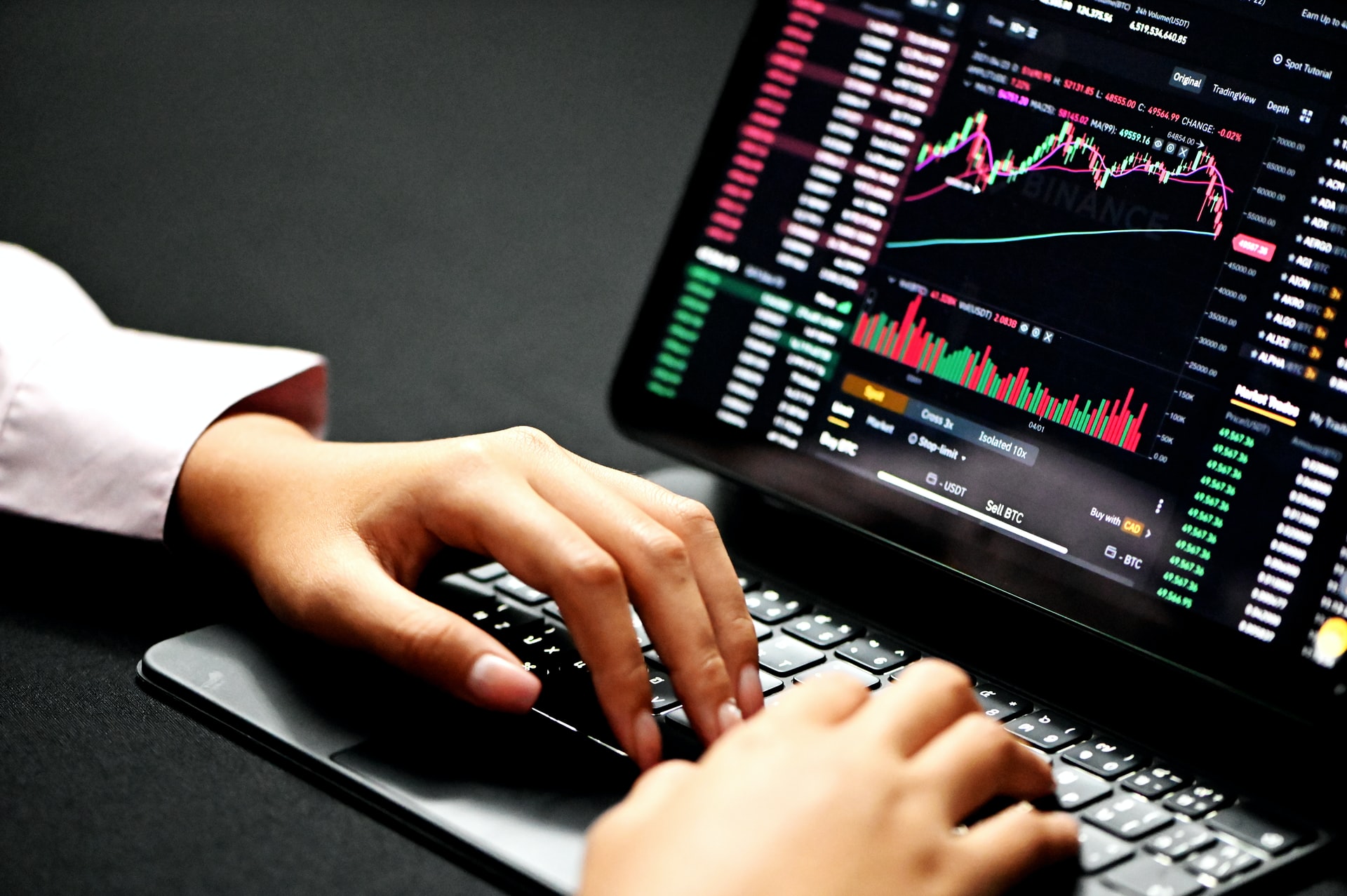
Shopping for goods priced in dollars and euros while earning money in Turkish lira is one example of the constant currency awareness that affects financial decisions far beyond what most people would call forex trading. After years of currency depreciation, lira earners apply an almost subconscious exchange-rate calculation to rent negotiations, imported electronics, travel savings, and the prices of import-linked grocery staples. This environment has pushed a large number of lira-income households to engage in active currency management as a defensive measure against the erosion of their savings’ purchasing power.
Converting lira savings into foreign currency has become one of the most common entry points into currency markets for households that never intended to become active traders. Even small dollar or euro savings accounts, held without leverage, serve as a basic hedge against continued lira depreciation, and this instinct has driven demand for foreign-currency accounts across Turkish banks for years. Many savers eventually move from passively holding currency into active trading once they see how frequent exchange-rate swings affect the value of those holdings, seeking control over the timing of their positions.
Salary structures add complexity for professionals working with international clients or remote employers who pay in foreign currency, because their gross earnings are denominated in a currency they do not spend day to day. These professionals face the reverse challenge, converting foreign earnings into lira for everyday expenses while trying to time those conversions favorably. Currency-market knowledge helps this group decide when to convert accumulated foreign income, with no need to convert each payment automatically on arrival. Professionals are able to retain a portion of income in foreign currency and convert it into scheduled tranches to predictably cover lira expenses.
Many lira earners have exchanged currencies to protect their wealth as inflation expectations rise. With inflation forecasts suggesting continued erosion of the lira’s purchasing power, a growing number of lira earners are moving from passive currency holding into structured trading positions that seek to capture gains from expected depreciation. This shift carries real risk, since currency forecasts are often wrong or mistimed. Traders who build aggressive positions on inflation expectations alone sometimes see the lira temporarily stabilize or strengthen, producing losses. High Turkish interest rates impose substantial overnight financing costs on positions held against the lira. Turkish retail players also enjoy broad access to forex trading platforms. Brokers provide accounts in lira so that people can fund their accounts without having to first convert their savings into a foreign currency. Financial literacy about how to use these platforms responsibly has not kept up with access, warn financial educators. For lira-income traders who take a defensive stance in the currency market, leverage, margin requirements, and the emotional discipline to avoid overtrading are very important.
The immediate concern to protect purchasing power means that Lira earners tend to ignore tax and reporting obligations. The tax treatment of profits from currency trading is different to that of employment income. With increasing trading volumes, complications may arise for traders who take currency trading as a casual side activity. Record-keeping of each trade, including dates, amounts and applicable exchange rates, simplifies reporting when obligations arise. Participants whose activity has moved beyond occasional, small-scale conversions increasingly work with accountants familiar with how Turkish tax authorities treat trading gains.
Constant currency pressure has turned basic currency-market knowledge from a niche skill of professional traders into a practical life skill for lira earners. Households that understand how currency markets move apply that understanding to saving and spending decisions throughout the year. That habit preserves earning power across each cycle of lira depreciation.