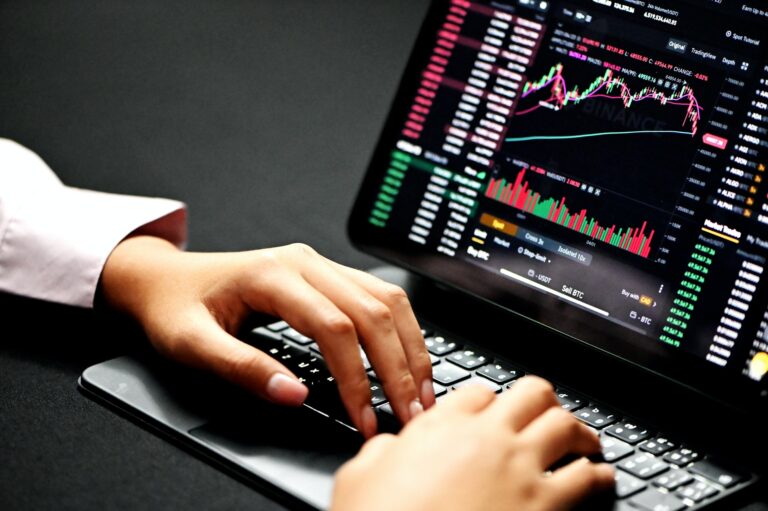
Around noon, Seoul’s office districts empty with remarkable precision as workers hurry to nearby restaurants and coffee shops for lunch breaks that often last less than an hour before meetings and afternoon deadlines resume. During that short window, some corporate employees have begun treating their lunch break as an opportunity to study financial markets, powering up laptops or checking their phones between meals instead of simply scrolling through news or chatting with coworkers.
Learning how to trade forex in small pockets of free time presents challenges that this group has had to solve creatively. A lunch break is very different from an evening session when someone can sit down for an uninterrupted hour and study charts. Employees have to fit market research between ordering food, answering messages and returning to their desks before the next meeting. Some develop simple routines, such as checking overnight developments, reviewing economic calendars and studying potential setups before making any decisions. Others use the break strictly for education rather than placing trades, recognizing that a position could require attention after they return to work.
Some offices have developed informal habits around this behavior. Coworkers sitting together at lunch may notice that a colleague regularly checks currency charts before everyone has finished ordering. Reactions can range from curiosity to gentle teasing, particularly when someone starts explaining why the won moved against the dollar that morning. In some workplaces, small groups have even begun discussing market movements over lunch in much the same way other colleagues discuss sports, entertainment or weekend plans.
The limited time available has also influenced the kind of educational material these workers seek. Long courses designed for people with several uninterrupted hours to study can be difficult to fit around a demanding corporate schedule. Instead, some employes prefer short videos, short explanations and mobile-friendly resources that allow them to learn one concept at a time. One lunch break might be spent learning about currency pairs, another about spreads, others later on about technical analysis or basic risk management.
The practical side of how to trade forex can be more difficult to manage than the theoretical material. An employee might understand how an order works but still have little opportunity to monitor an open position during an afternoon meeting. Checking a phone discreetly during a presentation may not be realistic, particularly for workers who spend much of the day with managers or clients. This makes position sizing and risk controls especially important for anyone whose job prevents them from watching the market continuously.
The lunch break can therefore become more of a learning window than an ideal trading window. Employees may use the time to review previous trades, record observations in a journal or prepare a plan for later rather than rushing into a position simply because they have a few minutes available. The urge to participate in the market and the need to make a quick trade can be better managed with this method.
Office jobs are appealing to many people because of the schedule’s predictability, not because of the quality of the market conditions at noon. Long work days can make evening study difficult when you factor in commutes, family responsibilities and exhaustion. Yet a lunch break, however brief, is at least a predictable time when workers know they can leave their desks. That makes it a practical opportunity to learn how to trade forex even if the limited time requires a more disciplined approach to education, preparation and risk management.