A goalkeeper needs dependable equipment to feel prepared for every training session and match. The hands are involved in almost every important moment, from catching crosses and controlling passes to making quick saves near the goal.
Choosing suitable gloves can improve comfort and confidence while allowing players to focus on positioning, movement, and technique. The right pair should feel secure without restricting natural hand movement.
Why Glove Selection Matters
Goalkeeping demands quick reactions and reliable ball handling. Gloves are designed to support these movements while providing a layer of protection for the hands.
When comparing different options, players should consider:
• Fit and sizing
• Palm grip
• Glove cut
• Flexibility
• Finger protection
• Playing conditions
• Durability
The ideal combination depends on the player’s age, experience, training schedule, and personal preferences.
Finding the Right Fit
A comfortable fit is one of the most important parts of selecting gloves.
A glove that is too loose may create unnecessary movement inside the hand, while an excessively tight glove can cause discomfort and restrict finger movement.
Players should follow the manufacturer’s sizing guide and measure their hands when necessary. Young goalkeepers should also check sizing regularly as their hands develop.
Understanding Different Glove Cuts
Goalkeeper gloves are available in several constructions, each offering a different feel.
Some cuts provide additional internal space, while others create a closer connection between the glove and hand.
Players should consider how much finger freedom and internal space they prefer before choosing a particular construction.
What Are Negative Goalkeeper Gloves?
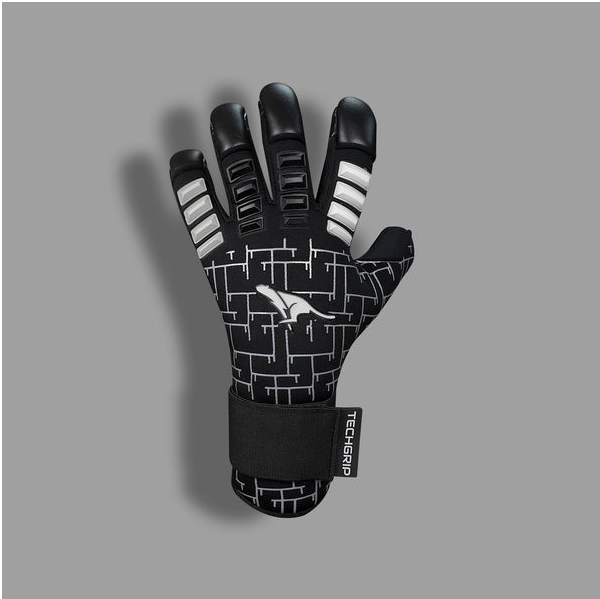
Negative goalkeeper gloves feature stitching on the inside of the glove, creating a close fitting shape around the hand.
This construction is popular among players who prefer a snug feel and a more direct sensation when handling the ball.
The correct size is particularly important with this style because the close fit should remain comfortable during extended use.
Advantages of a Close Fitting Construction
A close fitting glove can appeal to goalkeepers who value responsiveness.
Secure Feel
The glove sits closely against the hand, helping reduce unnecessary internal movement.
Direct Ball Contact
The fitted construction can provide a natural sensation when catching and controlling the ball.
Finger Mobility
When correctly sized, the glove can allow comfortable movement during saves and distribution.
Personal Comfort
Players who prefer a fitted feel may find this construction more natural during play.
Considering Palm Grip
The palm is the part of the glove that directly contacts the football. Its material and construction can influence grip and durability.
Goalkeepers should consider where they normally play. Natural grass, artificial surfaces, indoor pitches, and different weather conditions can place different demands on the glove.
Players should also follow recommended care instructions to maintain the palm.
Protection and Flexibility
Some goalkeepers prioritize additional finger support, while others prefer maximum flexibility.
There is no single specification that suits everyone. A young player developing basic skills may have different requirements from an experienced goalkeeper competing regularly.
Think about the level of protection needed and how it affects the freedom of movement.
Choosing Gloves for Training
Training gloves can experience considerable wear, especially when used frequently on demanding surfaces.
Players who train several times each week may want to prioritize durability and easy maintenance.
Having a pair specifically for training can also help preserve match gloves for important games.
Choosing Gloves for Matches
Match gloves are often selected with performance and comfort in mind.
A goalkeeper should feel confident when catching the ball, diving, and making contact with the ground.
Before an important match, it is useful to ensure that the gloves already feel comfortable rather than trying a completely unfamiliar design for the first time.
Caring for Your Gloves
Good maintenance can help preserve glove performance.
After use, players should remove dirt according to the manufacturer’s care instructions. The gloves should then be allowed to dry naturally and stored appropriately.
Avoiding excessive heat and unnecessary friction can help protect the palm and stitching.
When to Replace Your Gloves
Even well maintained gloves eventually wear out.
Look for signs such as:
• Reduced palm grip
• Heavy surface wear
• Damaged stitching
• Tears or cracks
• Loss of shape
If the gloves no longer provide the expected comfort or performance, replacing them may be worthwhile.
Exploring Goalkeeper Equipment at TechGrip
TechGrip provides goalkeeper equipment for players with different playing requirements. When comparing options, goalkeepers can look at glove cuts, sizes, palm characteristics, protection, and intended use.
Understanding these features makes it easier to choose equipment based on personal playing style rather than simply selecting a glove because of its appearance.
Making a Practical Choice
There is no universal glove that will suit every goalkeeper. Some players prefer a spacious construction, while others want a close fitting design.
Budget, frequency of play, pitch conditions, experience, and personal comfort should all be considered.
Players who prefer a fitted construction can explore negative goalkeeper gloves and compare their features with other available cuts.
Conclusion
The right goalkeeper gloves can support comfort, grip, confidence, and control during training and matches. Taking time to compare fit, palm construction, protection, glove cut, and playing conditions can make the selection process much easier.
For players who prefer a close fitting feel, negative goalkeeper gloves may be worth considering. By choosing equipment that matches individual needs and maintaining it properly, goalkeepers can stay comfortable and focused when every save matters.